WWF Cocoa Jungle
Educating about the rainforest with augmented reality
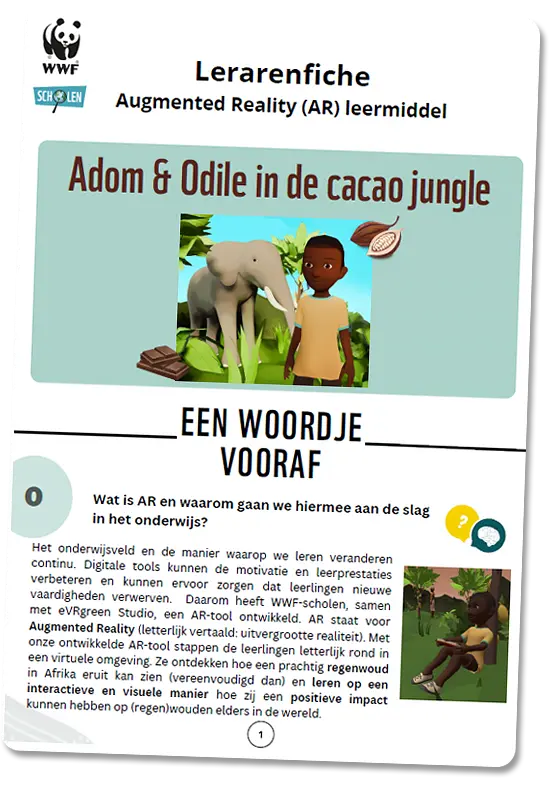
Together with schools from WWF Belgium, we developed an educational augmented reality (AR) tool to educate children teach children about rainforest conservation. Playfully, children discover the effects of cocoa farming on biodiversity and working conditions. Make sustainable choices and protect Odile and Adom’s jungle!


Augmented reality in education
Education and the way we learn is always evolving. Digital tools such as serious games can increase motivation to learn, and thus improve learning performance. Students are playfully encouraged to think independently and acquire new skills.
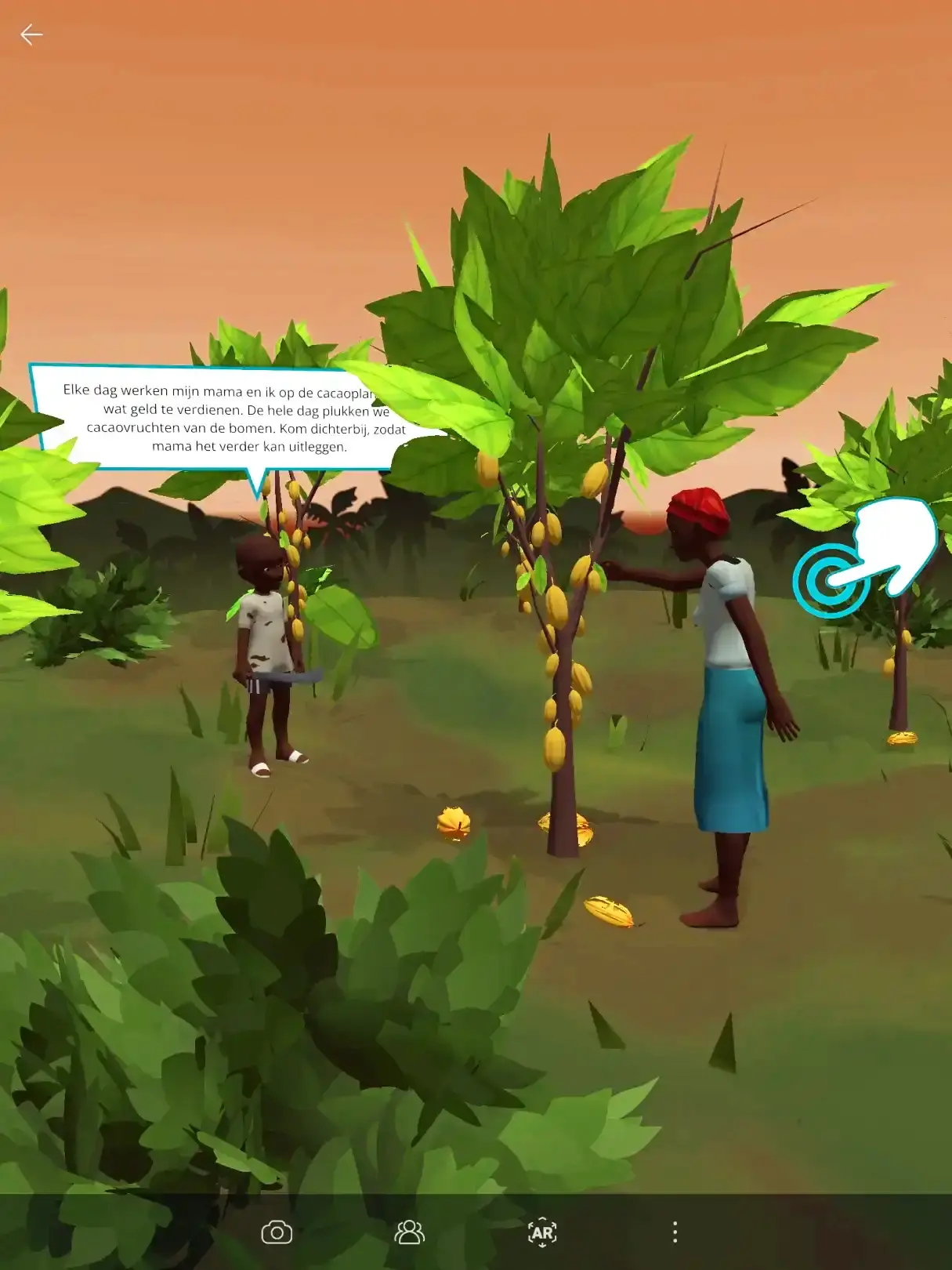
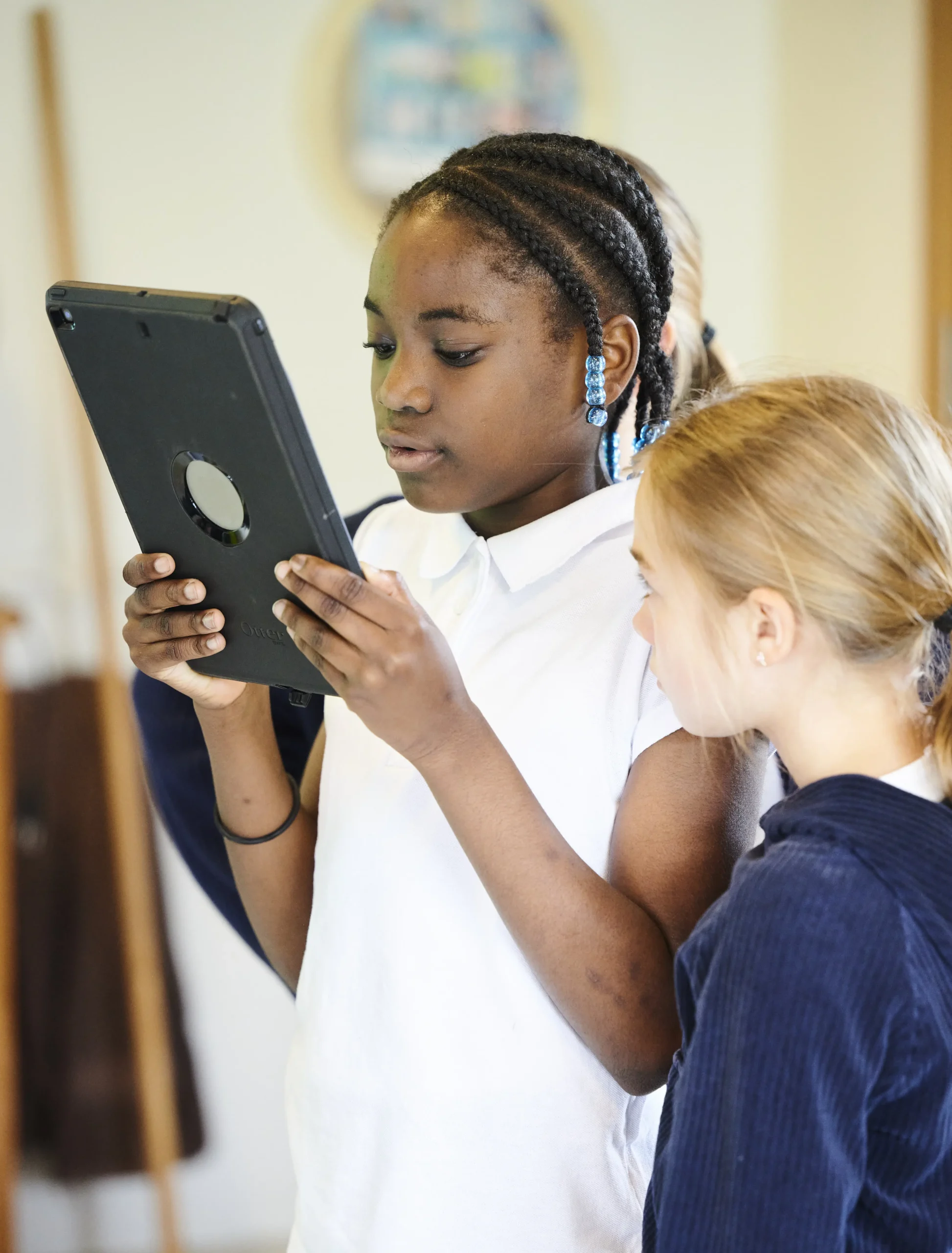
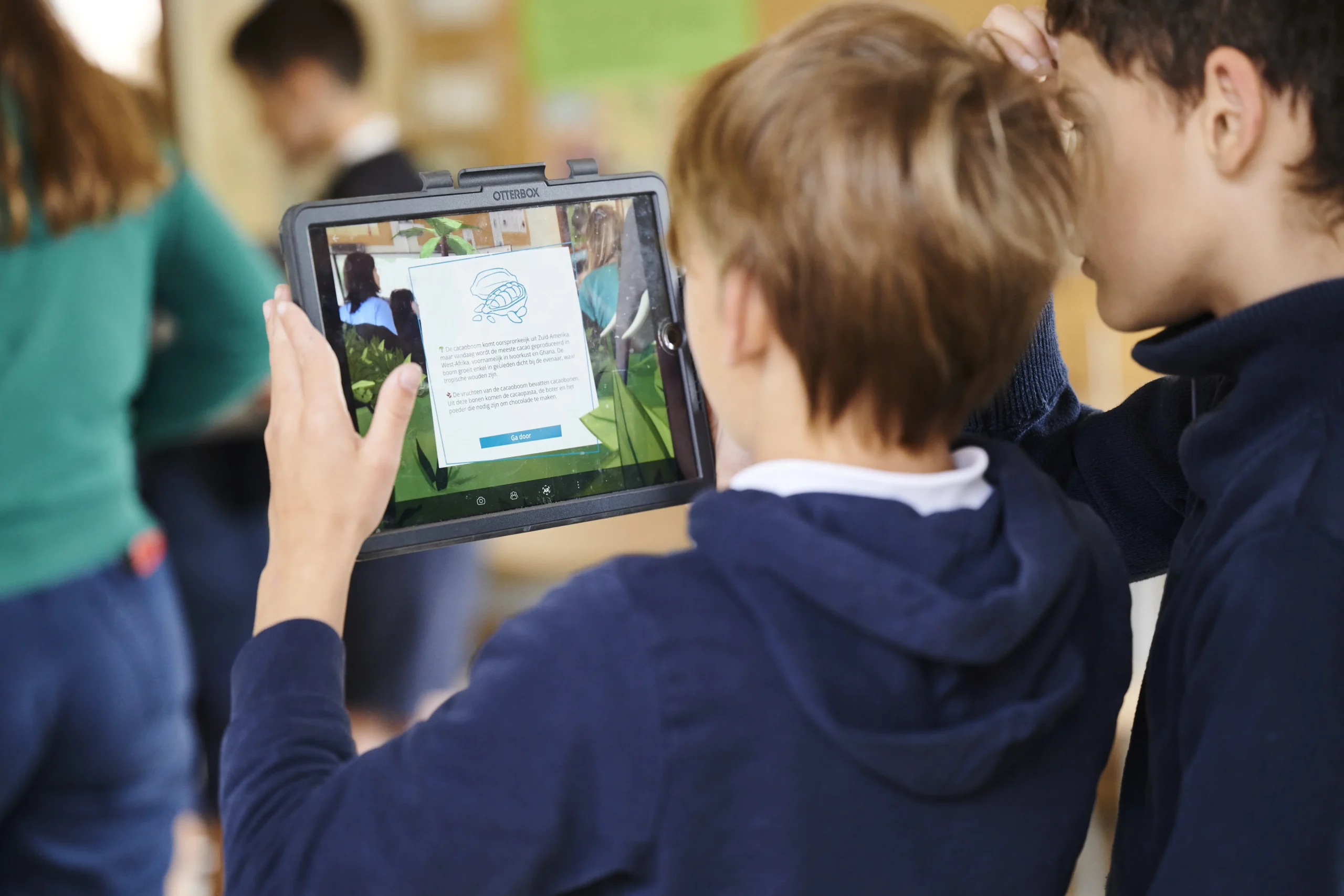
With this AR tool, children step around a virtual environment using a tablet or phone. Thus, they learn about the rainforest in Africa in an interactive and visual way, and learn how they themselves can have a positive impact.
Here's how it works
Meet Adom and Odile the elephant. Adom’s mother works on a cacao plantation in West Africa. From the cocoa beans growing on trees, chocolate is made. Students discover the living conditions of Adom and his mother, and must make the right choices in the game. Will they succeed in giving Adom’s mom a fair wage? Then Adom can go to school!
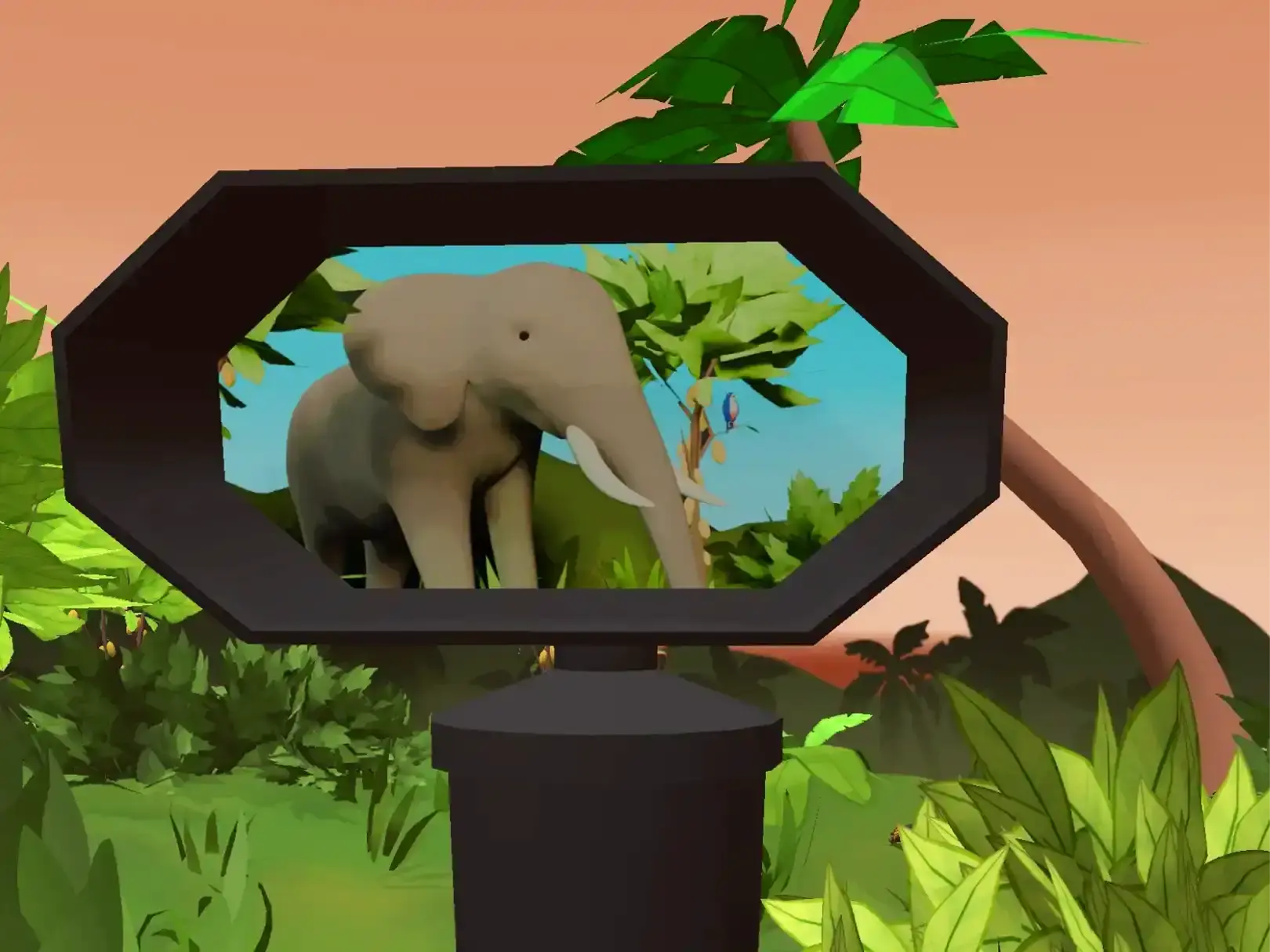
Odile the African forest elephant lives in the jungle and is a good friend of Adom. Unfortunately, her habitat is getting smaller and smaller because of the many cacao plantations. Could things be different? Make choices in the game and experience the impact of cocoa farming on humans, and on nature!

Interactive learning about biodiversity
With Adom and Odile in the cocoa jungle, elementary school students ages 7-14 can work independently or together. Students discover the importance of rainforests for biodiversity, the impact of cocoa farming on people and nature, and also learn what they themselves can do for more sustainable cocoa farming.
Augmented reality is an accessible form of education for both teachers and students. It is interactive and encourages different skills so that children process and store information better. The game presents different scenarios based on choices, allowing children to discover multiple perspectives. After all, just what is the difference between an ecological and non-ecological plantation…?
“The kids really liked it!”
Such feedback always makes our day.
Every new project faces these moments of truth: the playtests. Do they like it, does it do what it is supposed to do, does it have a (lasting) impact?
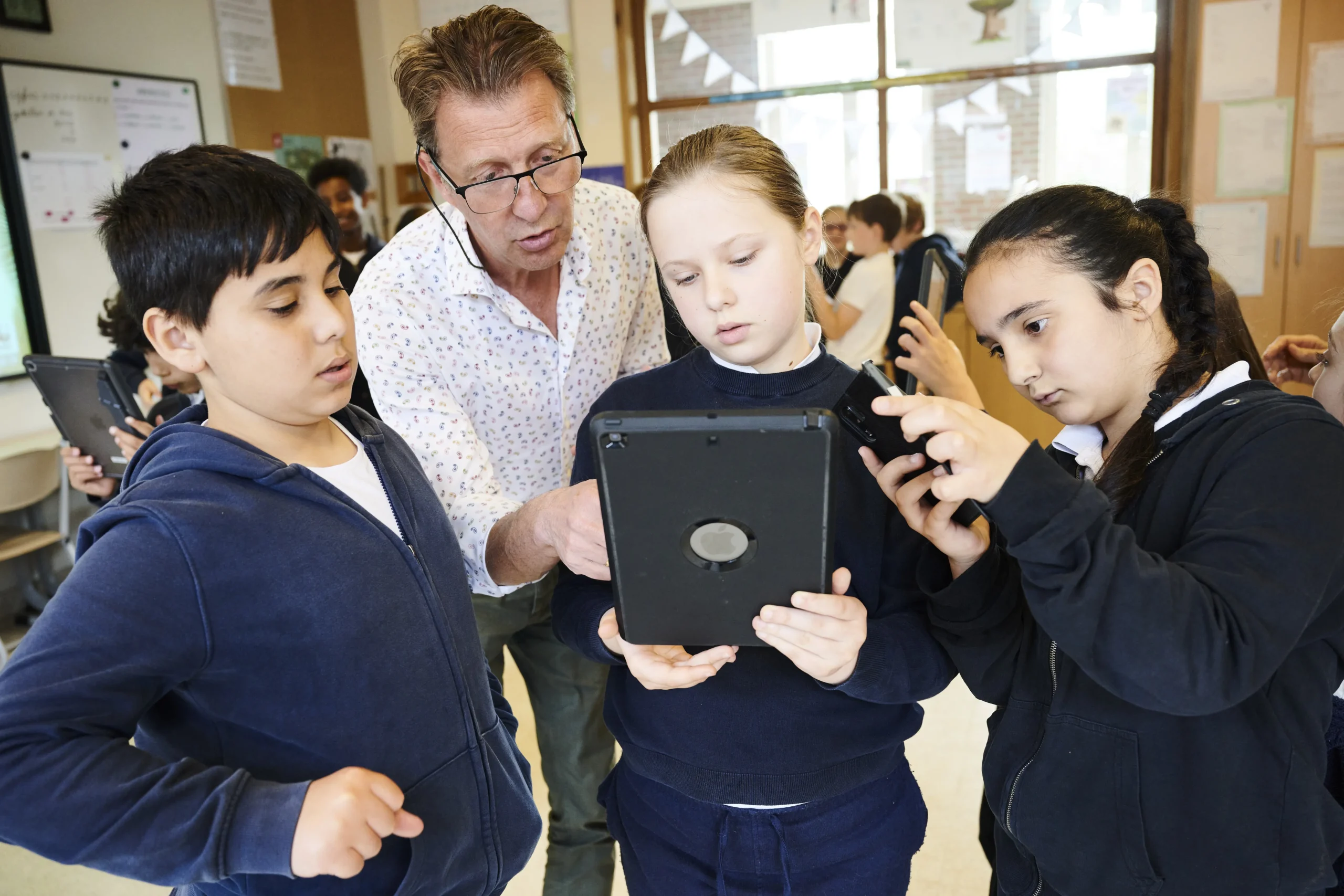
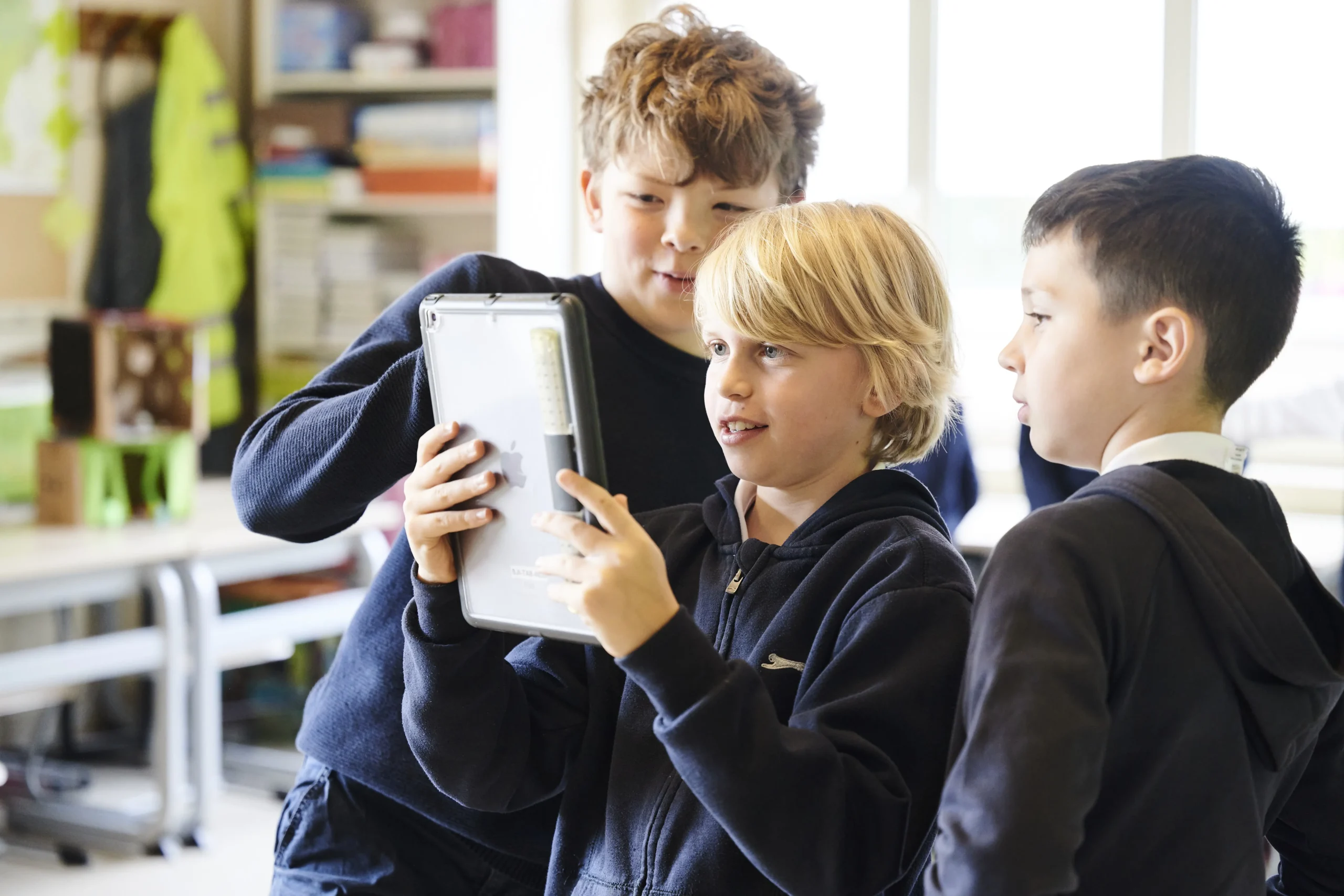
WWF-Belgium invited two elementary school classes to play our AR experience about cocoa plantations. Of course, it wouldn’t be a playtest without some technical hiccups (some tablets are too old to run AR), but with the tablets that did work, the kids “absolutely loved it”!
They noted the different scenarios that resulted from their choices and had an interesting discussion afterwards.
Play Adom & Odile in the cocoa jungle
The game was available for free through the Fectar app. In addition, we created a manual for teachers. This contains a lot of useful information on how to install it, but also includes a fun lesson guide. There are several discussion points to cover in class about working conditions, cocoa and ecological plantations. There are also specific activities for students in available in the manual, such as quiz questions, a writing and drawing assignment, and all kinds of useful resources.
⚠️ As of March 2026, the Fectar app is unfortunately no longer in operation.